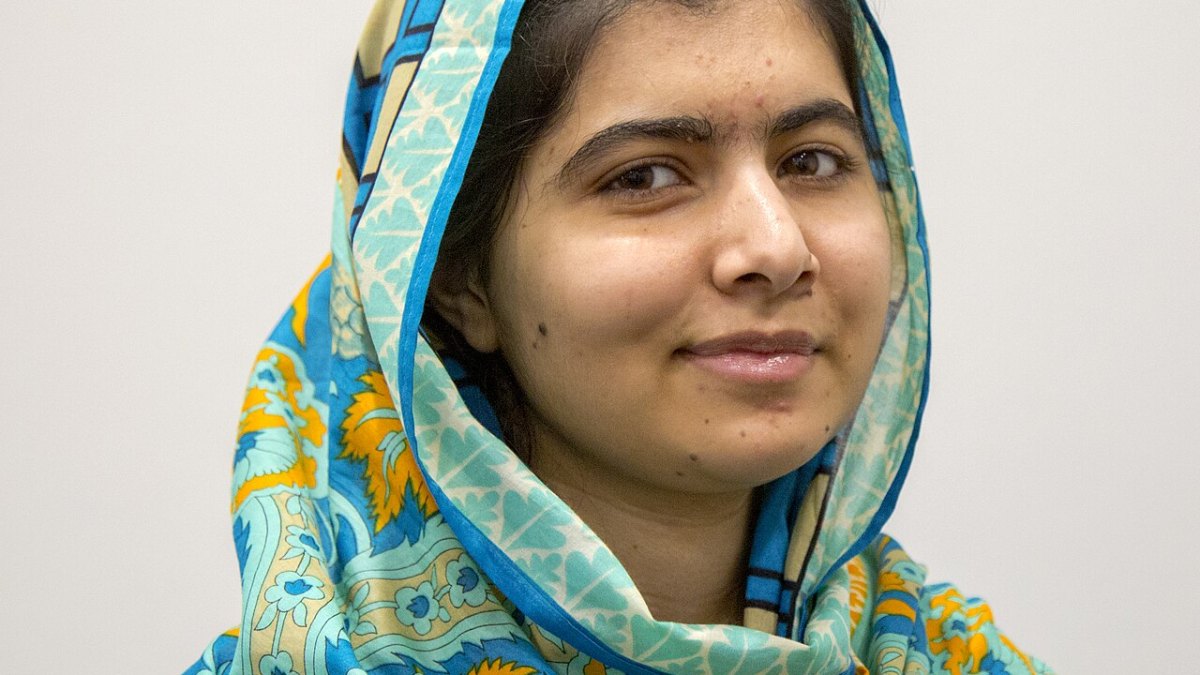
In 2014, the world witnessed an extraordinary moment when Malala Yousafzai, at just 17 years old, was awarded the Nobel Peace Prize. This remarkable achievement made her the youngest recipient in the history of the prestigious award. Malala was recognized for her tireless advocacy of education for girls, especially in regions where access to education is severely restricted. Her courageous journey began in Pakistan's Swat Valley, where she defied the Taliban's ban on girls attending school. Despite being targeted and shot by militants in 2012, Malala continued her fight, becoming a global symbol of the struggle for girls' rights to education.
Malala's Early Life and Education
Born on July 12, 1997, in Mingora, Pakistan, Malala Yousafzai grew up in a region that frequently faced conflict and cultural challenges. Her father, Ziauddin Yousafzai, an educational activist himself, ran a school and inspired Malala's passion for learning. By the age of 11, Malala had already begun advocating for girls' education through a BBC Urdu blog under a pseudonym. Her writings gained international attention, highlighting the plight of young girls in her community who were denied schooling. Despite the risks, Malala continued to speak out, becoming a prominent voice against the Taliban's oppressive regime.
The Attack and Global Response
On October 9, 2012, Malala's life changed forever when she was shot in the head by a Taliban gunman while on a school bus. The attack was intended to silence her, but it only amplified her message. Malala was airlifted to the United Kingdom for medical treatment, where she underwent multiple surgeries and rehabilitation. The international community responded with an outpouring of support, condemning the violence and calling for action against the suppression of girls' education. Her recovery and resilience inspired millions worldwide, leading to further global advocacy for educational rights.
Nobel Peace Prize and Continued Advocacy
On October 10, 2014, Malala Yousafzai was jointly awarded the Nobel Peace Prize alongside Kailash Satyarthi, an Indian children's rights activist. The Nobel Committee recognized their efforts to combat the suppression of children and young people and to secure the right to education for all children. Malala's Nobel acceptance speech continued to champion education, emphasizing its power to transform societies. She co-founded the Malala Fund, an organization dedicated to ensuring girls around the world can access 12 years of free, safe, quality education. Her work has influenced policies and inspired young activists globally.
Malala Yousafzai's story is a testament to the power of one individual's courage and determination to create change. Her journey from a small town in Pakistan to the global stage has inspired a generation of young people to stand up for their rights. As she continues her advocacy, Malala remains a symbol of hope and resilience, proving that age is no barrier to effecting significant social change. Her legacy as the youngest Nobel laureate continues to motivate efforts towards educational equality worldwide.
- Malala was born on July 12, 1997, in Mingora, Pakistan.
- She began advocating for girls' education at the age of 11.
- Malala survived an assassination attempt on October 9, 2012.
- She was awarded the Nobel Peace Prize on October 10, 2014.
- Malala co-founded the Malala Fund to support girls' education globally.
💬 Discussion (0)
Leave a Comment