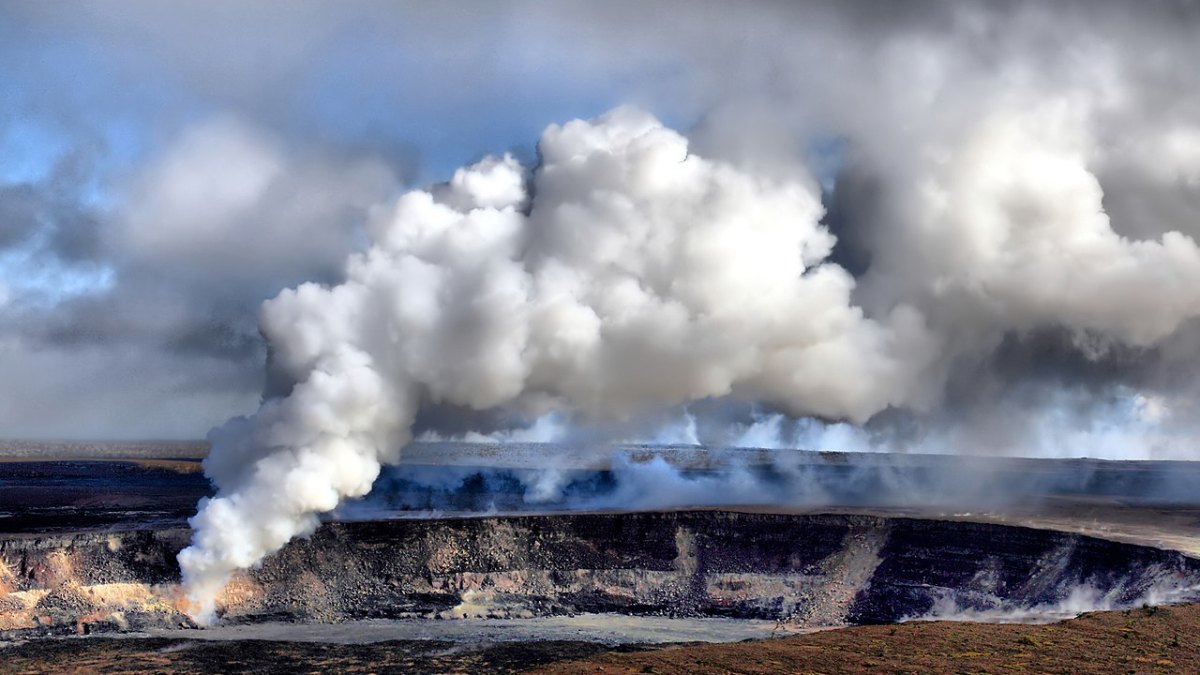
Every day, the Kilauea volcano in Hawaii emits a staggering 3,000 tons of sulfur dioxide into the atmosphere, a figure that significantly impacts air quality not only locally but also much farther afield. This volcanic activity has been consistent since its most recent eruption cycle began in December 2020. The sulfur dioxide levels emitted by Kilauea are monitored closely by the United States Geological Survey (USGS), which tracks volcanic gas emissions as part of its efforts to predict future eruptions and assess the environmental impact. The sheer volume of sulfur dioxide released by Kilauea dwarfs industrial emissions in many areas and poses a unique challenge to scientists and policymakers alike.
Understanding Sulfur Dioxide Emissions
Sulfur dioxide (SO2) is a significant volcanic gas that can have far-reaching effects on both the environment and human health. This colorless gas is known for its pungent odor and is a major contributor to air pollution, particularly in the form of volcanic smog, or "vog." When SO2 is released into the atmosphere, it reacts with other chemicals to form fine particles that can penetrate deep into the lungs, causing respiratory problems. According to the Environmental Protection Agency (EPA), prolonged exposure to SO2 can lead to the development of asthma and other chronic respiratory issues. The high levels of SO2 emissions from Kilauea are particularly concerning because they can affect air quality over large areas, sometimes reaching as far as the west coast of the United States.
Environmental Impact and Monitoring
The environmental impacts of Kilauea's sulfur dioxide emissions are profound. When SO2 combines with water vapor in the atmosphere, it forms sulfuric acid, which contributes to acid rain. This acidic precipitation can damage crops, forests, and aquatic ecosystems, altering the balance of natural habitats. The USGS uses a combination of ground-based sensors and satellite imagery to monitor these emissions and their effects on the environment. Data collected helps scientists understand the long-term environmental impacts and develop strategies to mitigate them. For instance, the increased acidification of local water bodies can lead to a decline in fish populations, which is critical for local communities that rely on fishing for their livelihood.
Human Health Concerns
The health effects of sulfur dioxide emissions from Kilauea are of major concern to residents of Hawaii and beyond. The state’s Department of Health has issued several health advisories, especially for vulnerable populations such as children, the elderly, and those with pre-existing respiratory conditions. Symptoms of SO2 exposure can include throat irritation, shortness of breath, and worsening asthma. The World Health Organization (WHO) has set stringent guidelines for acceptable SO2 levels in the air, and the emissions from Kilauea often exceed these limits. To help mitigate these effects, public health officials recommend staying indoors during high emission periods and using air purifiers to reduce indoor air pollution levels.
In conclusion, the continuous emission of 3,000 tons of sulfur dioxide daily from the Kilauea volcano presents significant challenges for environmental and public health management. Scientists continue to monitor these emissions closely, leveraging advanced technology to better predict eruptions and assess the broader implications of these volcanic activities. The ongoing research not only aims to protect local communities in Hawaii but also contributes to a global understanding of volcanic impacts. As monitoring technologies and predictive models improve, there is hope for more effective strategies to manage the environmental and health consequences associated with volcanic emissions.
- 3,000 tons of sulfur dioxide are emitted daily by Kilauea.
- USGS monitors emissions to predict volcanic activity and its impacts.
- SO2 contributes to air pollution and can cause respiratory problems.
- Emissions affect air quality as far as the U.S. west coast.
- Public health guidelines advise staying indoors during high emissions.
💬 Discussion (0)
Leave a Comment