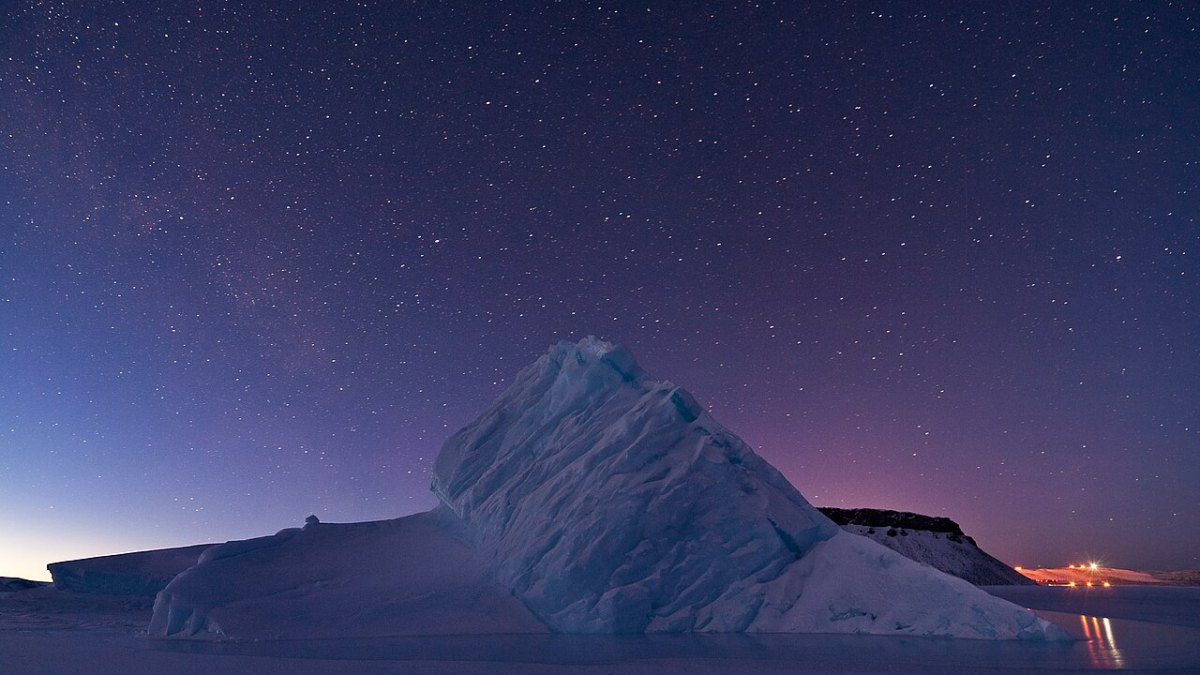
In a stark revelation, Greenland's ice sheet has diminished by 12% over the past 12 years, a rate that underscores the severe impact of global warming. This rapid decline is not just a localized phenomenon but a global concern, given that Greenland's ice sheet is the second largest in the world after Antarctica. The loss of ice, which amounts to approximately 4,000 gigatons, is contributing significantly to rising sea levels, threatening coastal communities worldwide. This data, sourced from satellite imagery and climate models, paints a worrying picture of accelerated climate change, and the implications are far-reaching, affecting weather patterns, wildlife habitats, and human populations.
Understanding the Scale of the Ice Loss
Greenland's ice sheet covers roughly 1.7 million square kilometers, making its 12% reduction a substantial volume of ice. The average annual ice loss has increased from 33 billion tons per year in the 1990s to about 254 billion tons per year in the 2010s. This increase is primarily attributed to rising global temperatures, which have led to extended melt seasons and reduced snowfall. According to a study published in "Nature," if the current trends continue, Greenland's ice loss could contribute over 7 centimeters to global sea level rise by the end of the century. This projection does not account for potential ice sheet instability, which could further accelerate the rate of ice loss.
Impact on Global Sea Levels
The melting of Greenland's ice sheet is a major contributor to global sea level rise, with current estimates suggesting it adds about 0.8 millimeters annually. This may seem minimal, but it accounts for more than a quarter of the total annual sea level rise globally. The implications of this are profound; low-lying regions such as Bangladesh, the Maldives, and parts of Florida are particularly vulnerable. The U.S. National Oceanic and Atmospheric Administration (NOAA) has warned that even a slight increase in sea levels could exacerbate flooding, erode coastlines, and disrupt marine ecosystems. As global temperatures continue to rise, the situation is expected to worsen, potentially leading to more frequent and severe weather events.
Broader Environmental and Economic Effects
The consequences of Greenland's ice sheet shrinking extend beyond sea levels. The influx of fresh water into the ocean can disrupt ocean currents, such as the Gulf Stream, which influences the climate of Europe and North America. Additionally, the loss of ice affects the albedo effect, where less sunlight is reflected back into space, further warming the Earth. Economically, the implications are significant as well. Fishing industries may suffer due to changing marine ecosystems, and insurance costs for coastal properties are likely to rise. The potential for new shipping routes as ice melts could also alter international trade dynamics, highlighting the interconnectedness of environmental and economic systems.
The shrinking of Greenland's ice sheet is a stark reminder of the urgent need for global climate action. As the ice continues to melt at an alarming rate, it is crucial for policymakers and scientists to collaborate on strategies to mitigate climate change and adapt to its impacts. The data serves as a clarion call for reducing greenhouse gas emissions and investing in sustainable technologies. Without decisive action, the consequences will be felt across the globe, affecting not only the environment but also economies and communities.
- Greenland's ice sheet is the second largest in the world, after Antarctica.
- The ice loss contributes about 0.8 millimeters to global sea level rise annually.
- Greenland's meltwater can disrupt crucial ocean currents, impacting global climates.
- The average annual ice loss increased from 33 billion tons in the 1990s to 254 billion tons in the 2010s.
- Potential sea level rise from Greenland's ice could exceed 7 centimeters by 2100.
💬 Discussion (0)
Leave a Comment