In 2022, the global deployment of carbon capture and storage (CCS) technologies saw a notable 45% increase in the amount of carbon dioxide (CO2) captured, according to a report by Nature. This substantial rise underscores an increasing commitment to combating climate change by reducing greenhouse gas emissions.
What is Carbon Capture?
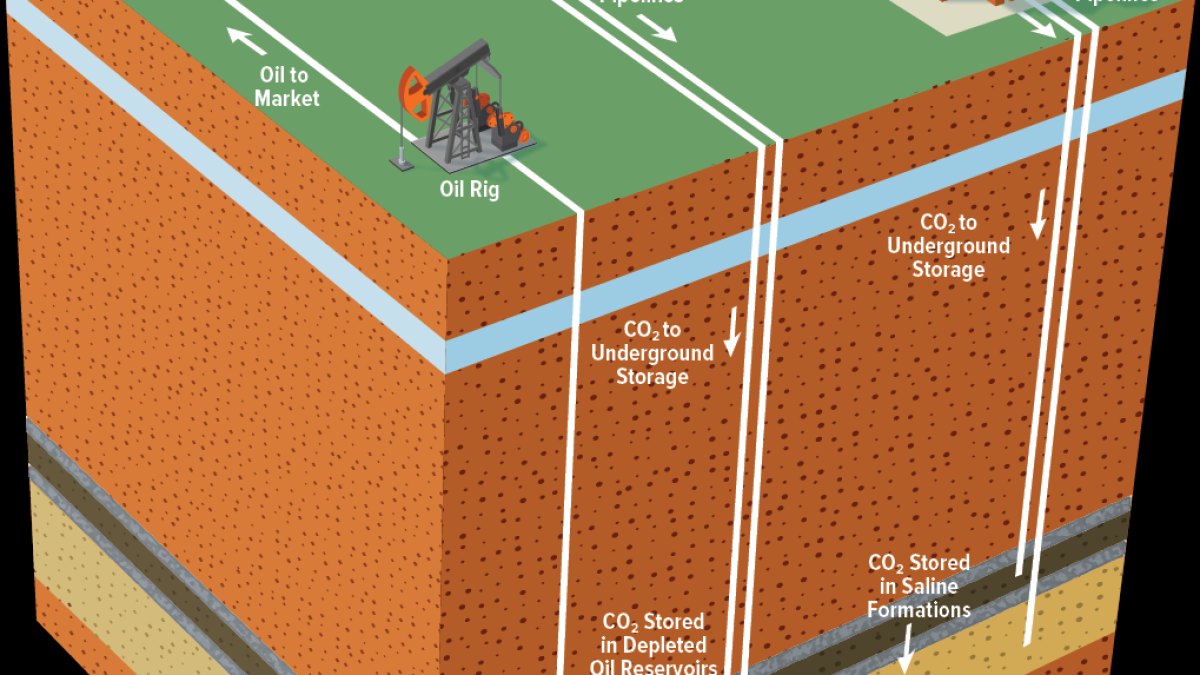
Carbon capture and storage is a process that involves capturing CO2 emissions from sources like power plants and industrial facilities, transporting it, and storing it underground in geological formations. The goal is to prevent CO2 from entering the atmosphere and contributing to global warming. In 2022, advancements in technology and increased investments played a crucial role in enhancing the efficiency and scalability of CCS projects worldwide.
Key Drivers Behind the Increase
The surge in carbon capture can be attributed to several factors. First, there was a significant rise in governmental support and policy incentives across various countries. The United States, for instance, introduced tax credits and other financial incentives to encourage companies to adopt CCS technologies. In addition, the European Union's stringent emissions targets have pushed industries to explore CCS as a viable solution for achieving compliance.
- Increased governmental support and financial incentives
- Stringent emissions targets in the European Union
- Technological advancements improving efficiency
Implications for Climate Change
With the International Energy Agency (IEA) estimating that CCS could account for as much as 15% of the global emissions reduction needed by 2050, the 2022 increase marks a critical step. The 45% rise in CO2 capture not only highlights the growing role of CCS in achieving net-zero emissions but also emphasizes the urgency of scaling up these technologies to meet global climate goals.
However, challenges remain. Critics argue that CCS is not a silver bullet solution and stress the need for a broader approach that includes renewable energy adoption and energy efficiency improvements. Moreover, the high cost of CCS projects and the need for substantial infrastructure investment are hurdles that need to be addressed.
The Road Ahead
Looking forward, the expansion of carbon capture technologies is likely to continue as more countries commit to ambitious climate targets. The development of new projects and the enhancement of existing ones will be essential to maintain the momentum gained in 2022. Collaborative efforts between governments, industries, and research institutions will be vital in overcoming the challenges and unlocking the full potential of CCS in the fight against climate change.
The remarkable 45% increase in carbon capture in 2022 is a testament to the growing recognition of CCS as a critical tool in climate mitigation strategies. As the world moves towards a more sustainable future, the continued progress and adoption of carbon capture technologies will play a crucial role in curbing CO2 emissions and safeguarding the planet for future generations.
💬 Discussion (0)
Leave a Comment