In a remarkable display of resilience, tardigrades, also known as water bears, have been observed surviving in freezing conditions for more than 30 years. These micro-animals, measuring about 0.5 millimeters in length, are found in various environments across the globe, from the deep sea to the highest mountains. Researchers have long been fascinated by their ability to withstand harsh conditions, but surviving for three decades in sub-zero temperatures is a testament to their extraordinary adaptability. This discovery was highlighted by a team of scientists in Japan, who thawed tardigrades frozen since the late 1980s, only to find them still alive and active.
The Science Behind Tardigrade Survival
Tardigrades employ a process known as cryptobiosis to endure extreme conditions. In freezing environments, they enter a suspended animation state, halting their metabolism. This state allows them to withstand temperatures as low as -272 degrees Celsius, close to absolute zero. During cryptobiosis, tardigrades lose almost all water from their bodies, replacing it with a sugar called trehalose, which protects their cells from damage. According to a 2020 study published in the Journal of Experimental Biology, the trehalose forms a glass-like structure that stabilizes proteins and membranes, ensuring survival despite the absence of water.
Historical Context and Discoveries
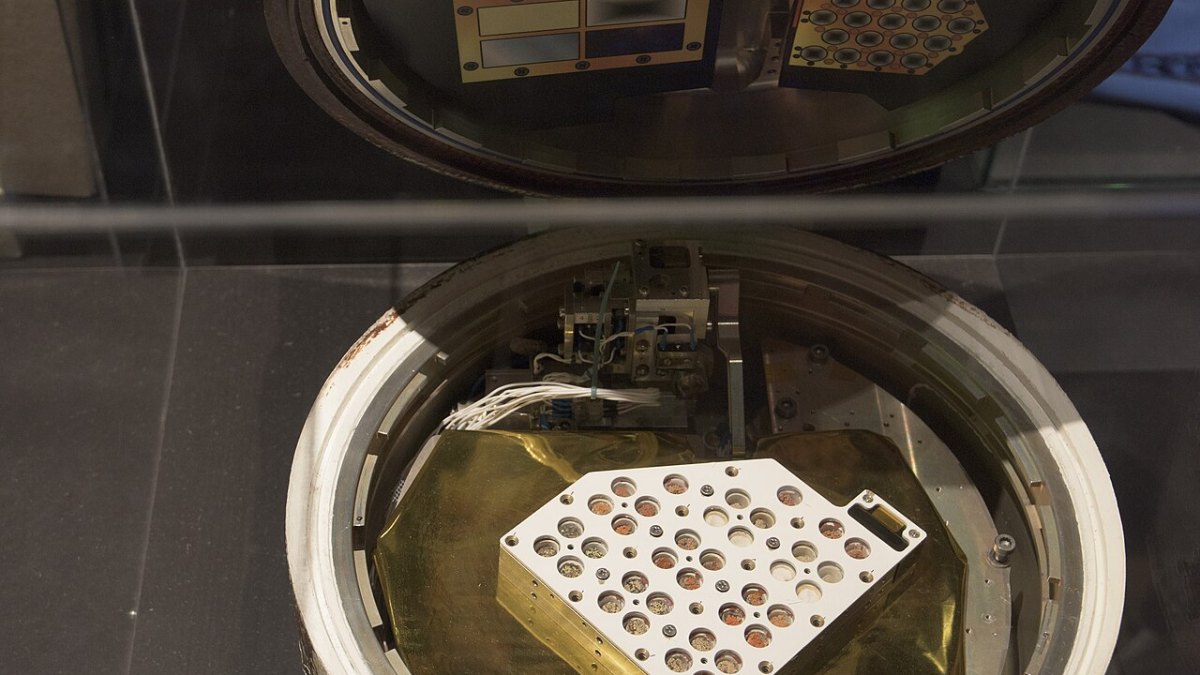
The discovery of tardigrades dates back to 1773 when German zoologist Johann August Ephraim Goeze first described them. Since then, over 1,300 species have been identified, each showcasing unique adaptations to survive in extreme environments. In 2007, tardigrades became the first animals to survive exposure to outer space. They were sent on the European Space Agency's FOTON-M3 mission, enduring the vacuum and radiation of space for ten days. This experiment demonstrated their resilience beyond Earthly conditions, suggesting potential applications in astrobiology and biotechnology. Such historical milestones continue to inspire scientists to explore the limits of biological survival.
Implications for Science and Technology
The extraordinary survival capabilities of tardigrades have significant implications for science and technology. Their ability to endure extreme conditions could inform the development of new preservation techniques for biological materials, such as vaccines and blood samples, which require stable storage. Additionally, understanding the molecular mechanisms behind their resilience could inspire advances in cryopreservation technologies, potentially improving organ transplants and fertility treatments. A 2021 study in the journal Science Advances highlighted the potential of harnessing tardigrade proteins to increase human cell resistance to radiation, offering promising avenues for space exploration and medical treatments.
- Tardigrades can survive temperatures ranging from -272 to 150 degrees Celsius.
- They can endure pressures six times greater than those in the deepest ocean trenches.
- Tardigrades have been found in diverse habitats, including rainforests, deserts, and the Arctic.
- Their genome contains unique protective proteins that shield DNA from damage.
The resilience of tardigrades continues to captivate scientists and the public alike. As research progresses, the potential applications of their survival strategies could benefit a wide range of fields, from medicine to space exploration. Understanding these microscopic marvels not only sheds light on the limits of life on Earth but also raises intriguing possibilities for life beyond our planet. The ongoing study of tardigrades serves as a reminder of the incredible adaptability of life and the endless opportunities for scientific discovery.
💬 Discussion (0)
Leave a Comment