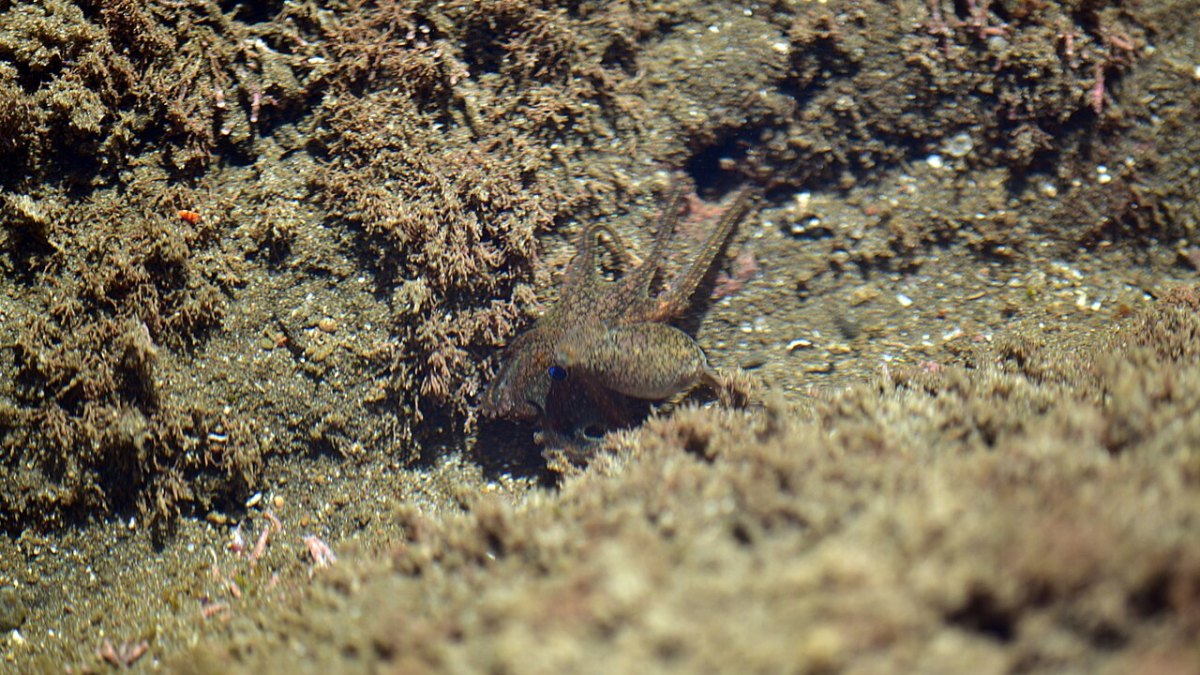
In the murky swamps of Sumatra, Indonesia, scientists have discovered the world's smallest fish, a species measuring just 8 millimeters in length. This minuscule aquatic creature, known as Paedocypris progenetica, has captivated researchers since its discovery in 2006. Despite its tiny size, this fish plays a crucial role in its ecosystem, demonstrating the vast diversity of life forms on our planet. The discovery of Paedocypris progenetica highlights the remarkable adaptations that some species undergo to thrive in challenging environments.
Unique Adaptations for Survival
The Paedocypris progenetica is not just remarkable for its size, but also for its unique adaptations. Living in peat swamp forests with highly acidic waters, where pH levels can drop below 3, this fish exhibits a resilience that is rare among its aquatic counterparts. One of its most notable adaptations is its nearly transparent body, which likely aids in avoiding predators. Additionally, despite its diminutive size, it has a complex reproductive system, with females capable of carrying large eggs relative to their body size. This adaptation ensures the continuation of their species in an environment where survival is a daily challenge.
Importance of Biodiversity in Peat Swamps
The discovery of the world's smallest fish underscores the importance of peat swamp forests as biodiversity hotspots. These ecosystems, often overlooked, are home to countless species that are specially adapted to their unique conditions. Peat swamps play a critical role in carbon sequestration, storing vast amounts of carbon that help mitigate climate change. Unfortunately, these habitats are under threat from deforestation and land conversion for agriculture, such as palm oil plantations. The preservation of peat swamps is vital not only for the survival of unique species like Paedocypris progenetica but also for maintaining global ecological balance.
Conservation Efforts and Challenges
Efforts to protect the peat swamp ecosystems are underway, but numerous challenges remain. The Indonesian government has implemented policies to reduce deforestation rates, yet illegal logging and land conversion persist. Conservation organizations are working to raise awareness about the ecological importance of these habitats and the species they support. Public education and community involvement are crucial components in conservation strategies. By highlighting the unique species inhabiting these areas, such as Paedocypris progenetica, conservationists hope to garner support for stronger protection measures. Despite the challenges, there is optimism that collaborative efforts can secure a future for these vital ecosystems.
- Peat swamp forests cover approximately 12% of Indonesia's land area.
- Conservation efforts have reduced deforestation rates by over 50% since 2015.
- Paedocypris progenetica was officially classified as a new species in 2006.
- The fish's habitat, Sumatra, is a biodiversity hotspot with thousands of unique species.
- Indonesia's peat swamps store an estimated 57 gigatons of carbon.
The discovery of Paedocypris progenetica serves as a reminder of the incredible diversity that exists within our ecosystems. As we continue to explore and understand these unique habitats, it becomes increasingly critical to prioritize their conservation. Protecting the world's smallest fish, along with countless other species, requires a concerted global effort. By acknowledging the intrinsic value of biodiversity and the role each species plays in its ecosystem, we can work towards a more sustainable future for our planet.
💬 Discussion (0)
Leave a Comment