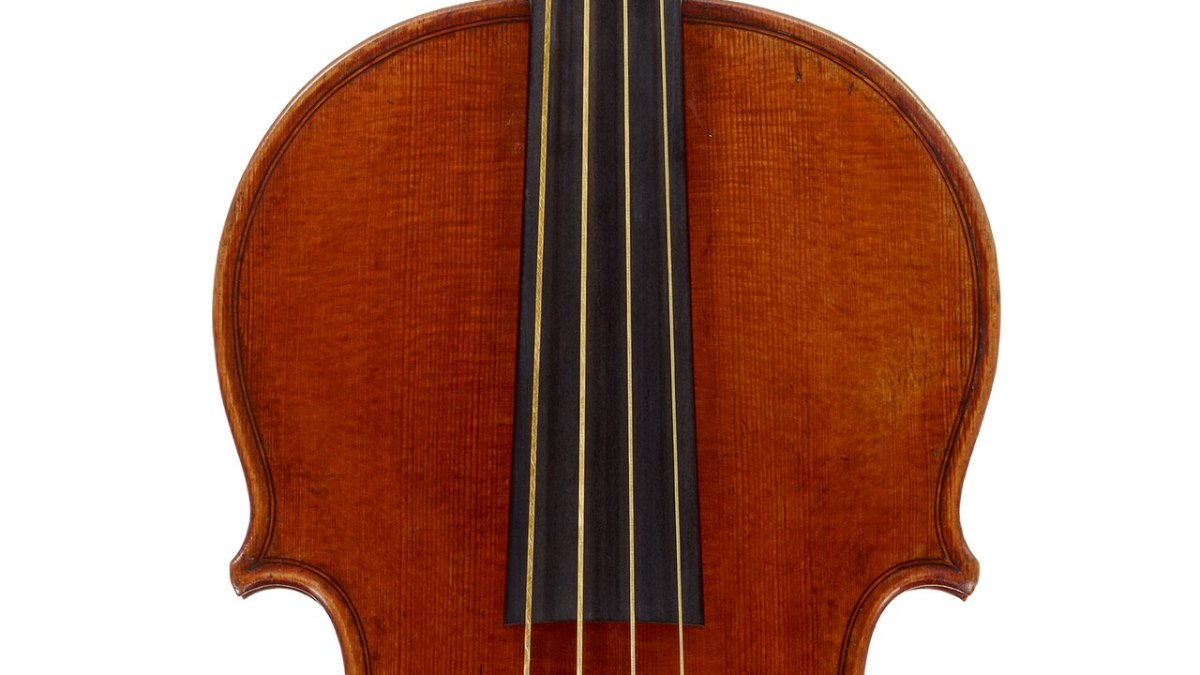
Stradivarius violins, crafted by Antonio Stradivari in the 17th and 18th centuries, are widely considered masterpieces of musical instrument design. Recent scientific analyses have confirmed that their sound quality is unparalleled, even by modern standards. Researchers from the University of Padua in Italy conducted acoustic tests on several Stradivarius violins, revealing that their unique sound is due to the density and treatment of the wood, as well as the craftsmanship techniques used by Stradivari. With only around 650 of these violins still in existence, each instrument is valued at millions of dollars, underscoring their rarity and the esteem in which they are held.
The Science Behind the Sound
Recent studies have utilized advanced technology to analyze the acoustics of Stradivarius violins. A team led by Dr. Claudia Fritz from Sorbonne University in Paris employed laser scanners and micro-computed tomography to map the internal structures of these violins. Their findings, published in the journal "Nature," indicate that Stradivari’s choice of wood, specifically spruce and maple, was treated with chemicals that have since been lost to time. This treatment, combined with the precise thickness of the wood, contributes to the unique tonal qualities that are difficult to replicate. The violins’ extraordinary sound projection and resonance continue to captivate musicians and audiences alike.
Historical Context and Craftsmanship
The craftsmanship of Antonio Stradivari, who lived from 1644 to 1737, marked a significant period in the development of string instruments. Stradivari produced approximately 1,100 instruments, of which about 650 violins, violas, cellos, and guitars survive today. His violins are renowned for their ability to produce a rich, powerful sound that is clear and balanced across the instrument's range. Historical records suggest that Stradivari's methods were a closely guarded secret, passed down only to his immediate family. The high-quality varnish and meticulous attention to detail in the construction process are considered key elements in their enduring legacy, making these instruments highly sought after by collectors and musicians worldwide.
Modern Reproductions and Comparisons
Despite numerous attempts to replicate the sound of a Stradivarius, modern luthiers have struggled to achieve the same level of excellence. Many violin makers have studied Stradivari’s techniques and materials in an effort to recreate these instruments. However, blind tests conducted by researchers, including one published in the "Proceedings of the National Academy of Sciences," have consistently shown that professional musicians can distinguish a genuine Stradivarius from a modern replica. These tests highlight the complexity and artistry involved in the original violins' construction, reinforcing their status as unparalleled masterpieces. As technology advances, the mystery of Stradivari’s craftsmanship continues to intrigue scientists and musicians alike.
The allure of Stradivarius violins endures, not only because of their superior sound but also due to the mystique surrounding their creation. As scientific investigations continue to shed light on the factors contributing to their exceptional quality, the legend of Antonio Stradivari and his violins remains intact. For musicians, collectors, and enthusiasts, these instruments represent the pinnacle of musical artistry, a testament to the enduring legacy of a master craftsman.
- Stradivarius violins were crafted primarily between 1680 and 1730.
- Only around 650 of the original 1,100 instruments survive today.
- Each Stradivarius violin is valued at several million dollars.
- Advanced imaging techniques have been used to study these violins.
- Stradivari's secret varnish recipe remains a mystery.
💬 Discussion (0)
Leave a Comment